Premium Link-Building Services
Explore premium link-building options to boost your online visibility.
Explore premium link-building options to boost your online visibility.
The Puszta, the vast, magnificent grassland steppe of the Great Hungarian Plain, is one of Europe's most distinctive and ecologically vital landscapes. Stretching across national parks like Hortobágy and Kiskunság, this ancient mosaic of alkali steppes, wetlands, and pastures is a living testament to a centuries-old harmony between nature and traditional livestock farming. It is a critical hub of biodiversity, particularly for birds, providing essential breeding and migration grounds for species such as the majestic Great Bustard (Otis tarda), the acrobatic Red-footed Falcon (Falco vespertinus), and a myriad of waders and raptors.
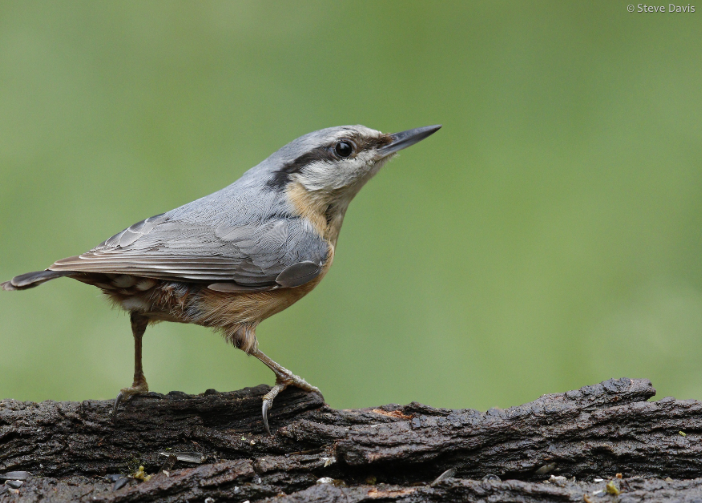
However, the Puszta faces immense pressure. Habitat loss due to intensive agriculture, the disruption of traditional grazing practices, and the increasing impacts of climate change threaten to unravel this delicate ecological fabric. In this context, ecotourism, when guided by a robust ethical framework, emerges not merely as a commercial activity but as a powerful, sustainable, and indispensable tool for conservation. The question for conservation NGOs like BirdLife Partners, environmental journalists, and policy makers is not whether tourism should occur, but how it is managed to ensure that profit serves the environment, and not the other way around.
The distinction between genuine, ethical ecotourism and irresponsible, so-called "cowboy" operators is fundamental to the long-term sustainability of the Puszta's conservation. Ecotourism is often superficially defined as simply "nature travel," but true ecotourism adheres to a rigorous set of principles that go far beyond mere observation.
Genuine ecotourism, often spearheaded by dedicated local operators working in close partnership with conservation bodies (such as BirdLife Hungary, or MME, the Hungarian Association for Ornithology and Nature Conservation), is built upon four non-negotiable pillars:
Minimizing Negative Impact: The guiding principle is "Leave No Trace." This involves employing low-impact infrastructure, strictly adhering to designated trails, managing waste responsibly, and ensuring that all activities minimize disturbance to sensitive wildlife, particularly during nesting and migration periods. Ethical operators use smaller group sizes, enforce strict 'escape distance' rules for all wildlife encounters, and use specialized hides and observation points to ensure animals display natural behaviour.
Directly Contributing to Conservation: A significant and transparent portion of the tour revenue is channeled directly back into local conservation projects. This includes funding anti-poaching patrols, habitat restoration (e.g., maintaining puszta wetlands or managing grazing intensity), and species-specific protection schemes for vulnerable birds like the Great Bustard or the Saker Falcon. This financial stake incentivizes local communities and government bodies to prioritise preservation.
Fostering Local Community Benefit: Ecotourism must ensure that local residents are the primary beneficiaries, creating a strong economic incentive for conservation. This means fair wages, employment of local guides and staff, the use of locally-sourced goods and services (e.g., accommodation, traditional food), and active community involvement in decision-making. This participatory approach counteracts the model of external, often international, companies extracting profits without local reinvestment.
Education and Awareness: The tour experience is interpreted to build environmental and cultural awareness. Ethical operators transform a sightseeing trip into a learning opportunity, educating visitors about the ecological processes of the Puszta, the threats it faces, and the importance of traditional culture (like the iconic Hungarian Grey Cattle herding) in maintaining the landscape. This creates informed, respectful advocates for the region.
'Cowboy' operators, in stark contrast, prioritise short-term profit over long-term environmental and social welfare. Their activities often result in:
Ecotourism (Ethical Operator)'Cowboy' Operator (Unethical)Priority: Conservation & Community WelfarePriority: Maximize Tourist Volume & ProfitImpact: Low/Minimal disturbance; strictly enforced distance protocols.Impact: High disturbance; driving off-road; approaching nests for a 'better' photo.Financial Model: Transparent contribution to local conservation/NGOs.Financial Model: Profits leave the region; minimal tax/local investment.Staff/Guides: Trained local guides with deep ecological knowledge.Staff/Guides: Untrained or non-local personnel focused on superficial sightings.Experience: Interpretation focused on ecosystem processes and threats.Experience: Entertainment-focused, commodifying wildlife for a 'trophy' photo.
For environmental organisations, highlighting this ethical divergence is crucial. It provides a clear framework for visitors to make responsible choices, enabling them to "vote with their wallets" for conservation.
The Puszta is intrinsically linked to its birdlife. Its designation as a Ramsar site and a significant component of the Natura 2000 network underscores its importance. Organisations like BirdLife Hungary (MME) are at the forefront of the conservation battle, and ethical ecotourism is a vital partner in their work.
Ethical birding tours, for example, do not simply seek out rare species; they support the infrastructure that makes their survival possible. Fees from ecotourists visiting areas like the Great Bustard Reserve at Dévaványa or the bird-rich wetlands of the Hortobágy Great Fishponds directly contribute to MME’s efforts in:
Habitat Restoration: Ecotourism funds can support the re-establishment of traditional, low-intensity grazing regimes that are essential for maintaining the short-grass steppe required by species like the Great Bustard and Stone Curlew.
Artificial Nesting Structures: Funding can be directed towards building and maintaining artificial nesting boxes and platforms, crucial for colonial species like the Red-footed Falcon, which relies on old corvid or magpie nests that are increasingly scarce.
Monitoring and Research: Tour operators often provide valuable, non-intrusive data collection points, and their fees help finance crucial scientific research and monitoring programs to track population dynamics and conservation effectiveness.
This model of partnership, where conservation data and principles are shared with ecotourism operators, ensures that the visitor experience is authentic, educational, and, most importantly, non-consumptive. The goal is to observe and appreciate, never to harass or interfere.
The long-term viability of the Puszta depends on converting its natural capital into sustainable economic value for its human residents. When local communities benefit, they become the most effective custodians of their environment. Ecotourism achieves this by:
Diversifying Rural Income: In a region where traditional farming is under economic strain, ecotourism provides a supplementary or alternative income stream. Local families can operate eco-lodges (like the example of Kondor EcoLodge near Kiskunság National Park), provide catering, or offer guided experiences, reducing the pressure to intensify agricultural practices that damage the habitat.
Valuing Local Culture: The Puszta’s human heritage—the csikós (horse-herdsmen), the traditional architecture, and the livestock—is intrinsically linked to the ecosystem. Ethical ecotourism showcases and rewards the preservation of this cultural landscape, promoting the idea that the Puszta's unique identity is its greatest asset. It promotes, for example, tours focused on traditional husbandry of the Hungarian Grey Cattle and Racka Sheep, highlighting their crucial role in managing the grassland ecosystem.
Building Conservation Literacy: The engagement between visitors and local guides raises the community's own awareness of the global value of their natural heritage. When a local guide can see that visitors travel thousands of miles to see a puszta species, the perceived value of that species and its habitat increases exponentially, strengthening local resolve for conservation.
For environmental journalists, NGOs, and the informed traveler, the message is clear: the Puszta needs its protectors, and ethical ecotourism is a critical piece of the protection strategy. Choosing a certified, ethically-aligned tour operator is an act of conservation. It ensures that your travel budget directly supports the preservation of this unique European steppe, rather than subsidising its degradation.
The choice is stark: either support the rigorously applied ethical framework that sustains the Puszta's ecological integrity, or inadvertently fuel the short-sighted practices of 'cowboy' operators that risk turning this precious natural heritage into a degraded shadow of its former self. By highlighting the ethical separation and endorsing partners who demonstrate clear, quantifiable commitments to the four pillars of ecotourism—Impact Minimisation, Conservation Funding, Local Benefit, and Education—we can secure a vibrant, sustainable future for the Puszta and its magnificent wildlife.
The protection of the Great Hungarian Plain is a shared global responsibility. Let us ensure that the economic engine of tourism is harnessed to serve the primary goal: the conservation of the Puszta for generations to come.
Explore premium link-building options to boost your online visibility.